
Filomena Cozzolino
zeina sleiman, where the jasmine blooms.
halifax, NS: fernwood, 2025. $24.00
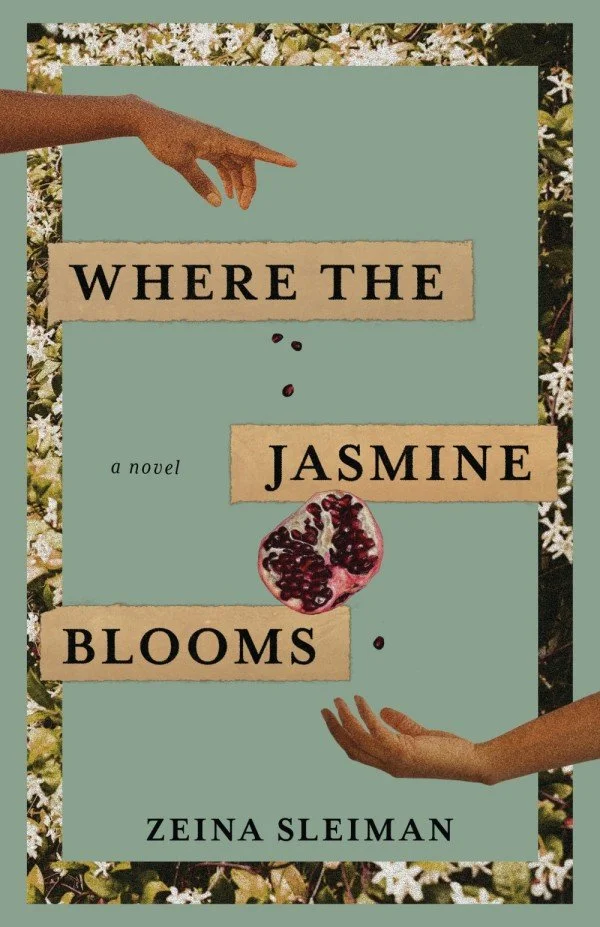
In her debut novel, Zeina Sleiman shares a story of family secrets that seem to tear relationships apart while simultaneously keeping them together. Sleiman weaves despair and dismay through the pages of this war-torn story as her characters face the madness of a reality that any reader will sympathize (if not empathize) with. She digs into the anguish, anger, and hope that courses through the characters by lacing the narrative with bravery, kinship, and rebellion. No matter one’s age, creed, or station in life, this artful novel is well worth reading for its portrayal of resilience in the face of chaos.
Where the Jasmine Blooms immediately juxtaposes the floral motif of its title with themes of displacement, strife, and shattered illusions—especially those surrounding the concept of freedom. The narrative follows cousins, Yasmine and Reem, the former visiting Lebanon to conduct research for her PhD. As she uncovers them, Yasmine ends up swallowed by the secrets of her family history from which her mother had shielded her when they moved from Lebanon to Canada. Reem, on the other hand, lives in Lebanon and is determined to get into a Canadian graduate program so she can grant herself and her family security and safety. Throughout the novel, the theme of freedom—physical, financial, mental—is linked inextricably to education and academia.
Sleiman’s prose is poetic and urgent, often drawing upon striking details that bring to life the situations that unfold within this story. At the beginning of the novel, Sleiman details the refugee camp where Reem and her family live. When Yasmine visits, she realizes the limits of her understanding of the violence thrust upon the Palestinians living in Lebanon; she is unprepared for the brutal architecture of homes built on narrow laneways to protect against the military tanks that may, at any time, infiltrate the streets. Later in the novel, Yasmine and Reem visit a tourist beach in Syria but become unexpectedly stranded as fighting breaks out. The hotel goes into lockdown as bombs drop around them. The girls, scared and uncertain, sleep fitfully with their shoes on their feet and their bags hooked onto their shoulders; this image, shared only in a single, blunt sentence, smacks readers with the reality and anxiety of living under the thumb of oppressive fear.
The voices of many of the characters in the novel reflect the need to bottle up emotions in order to navigate and comply with the hardships of the time and place. Yet Yasmine and Reem, despite having been taught to bury and silence their anger, do not repress their emotions. Rather, they use them to forge their compassion for those in need, be they loved ones, distant family, or complete strangers. There is a haunting yet tender display of this kindness near the end of the narrative as Yasmine, Reem, and their old friend Ziyad plan to escape the war breaking out in Syria. Rather than taking the fastest and safest way out of the area, they choose to detour to a nearby refugee camp to pick up Reem’s cousin Mariam and her one-year-old daughter and deliver them to safety. They are the only car on the road, a lone target, and the blast of bombs and the howl of helicopters becomes deafening as they continue to drive inland risking their lives for the mere chance to help others and rescue the innocent.
Beyond the heartache and distress, Where the Jasmine Blooms also navigates kinship and culture astutely. In the beginning of the novel, after dropping Yasmine off at her hotel, Reem wonders how a person can “hold onto a language [and culture] when they are surrounded by foreign voices.” Through her evocation of food in the book, Sleiman cleverly answers this question; each time Yasmine struggles during her journey, the plot slows, if only for a moment, to exalt in a meal she is sharing with her loved ones. Whether it is the foul—fava beans, chickpeas, parsley, mint, garlic—served for breakfast at the hotel that she shares with Ziyad, the ma’lubi—chicken, rice, eggplant, cauliflower—her aunt Fawzia makes for dinner when she visits, or teaching Ziyad how to eat turmus—lupin beans marinated in cumin and lemon—while they sit by the beach, Yasmine finds comfort in the food as the spices and flavours remind her of home. Each item pulls forward memories of her mother and how, although she kept many secrets, she taught her to find and hold onto her culture through its cuisine.
Wrapped into the pages of this novel are complex characters who defiantly face all the challenges and traumas the world throws their way. They fight against grief and pain while working with one another to build a safe landscape—whether in their home country or in a new place they yearn to call home—so that those around them can rest without the threat of violence or starvation or uncertainty hanging over their head. Zeina Sleiman’s Where the Jasmine Blooms embodies the yearning felt by those of us who use our pens and keyboards, our most powerful weapons to wield, to fight for an empathetic engagement with today, and a better, more free tomorrow.
Filomena Cozzolino
is a reader and writer studying in Sheridan’s Honours Bachelor of Creative Writing & Publishing program. Although introverted, she connects with the literary community by volunteering at events such as The Word on the Street and The & Festival. Her coffin-shaped bookcase is filled with ghost stories, romance, poetry, and more. In her downtime, she can be found reading in the park or wandering wooded trails.